
Technological evolutions in plant transformation
Arabidopsis transformation service (Carina Braeckman)

Arabidopsis transformation service (Carina Braeckman)
The polarity of PIN localization at the cell membrane is regulated by protein complexes, implying temporary internalization in the cell through vesicles and changes in the activity state.

Currently he is Project Leader, Applied Bioinformatics and Biostatistics at the Department of Plant Systems Biology, UGent.
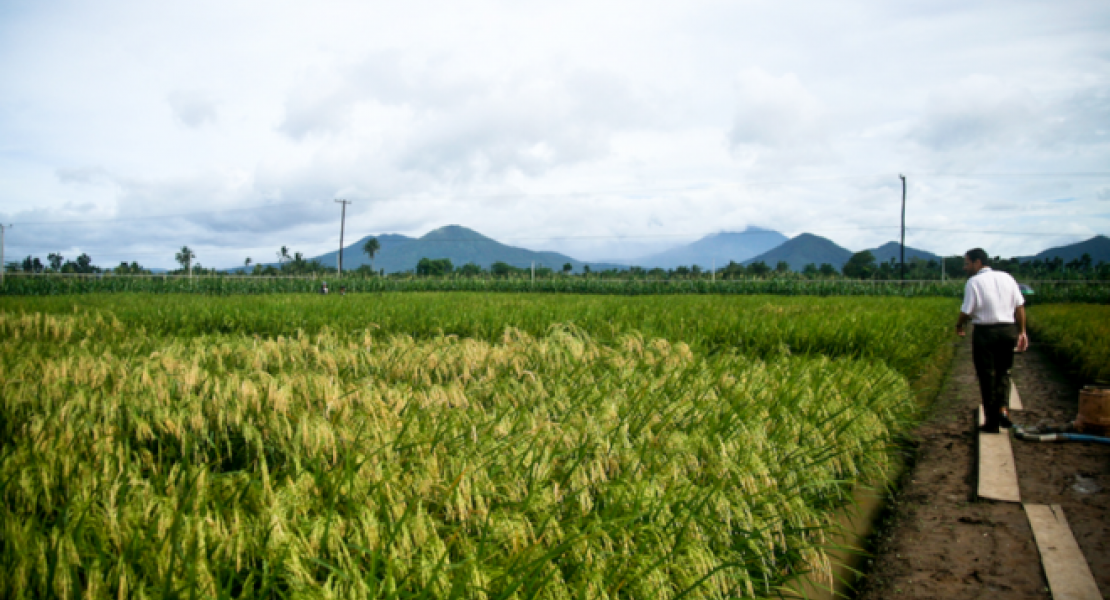
With the aim of fighting vitamin A deficiency in developing countries, a team of European scientists in the late 1990s thought of engineering rice plants to produce pro-vitamin A, also known as beta carotene.
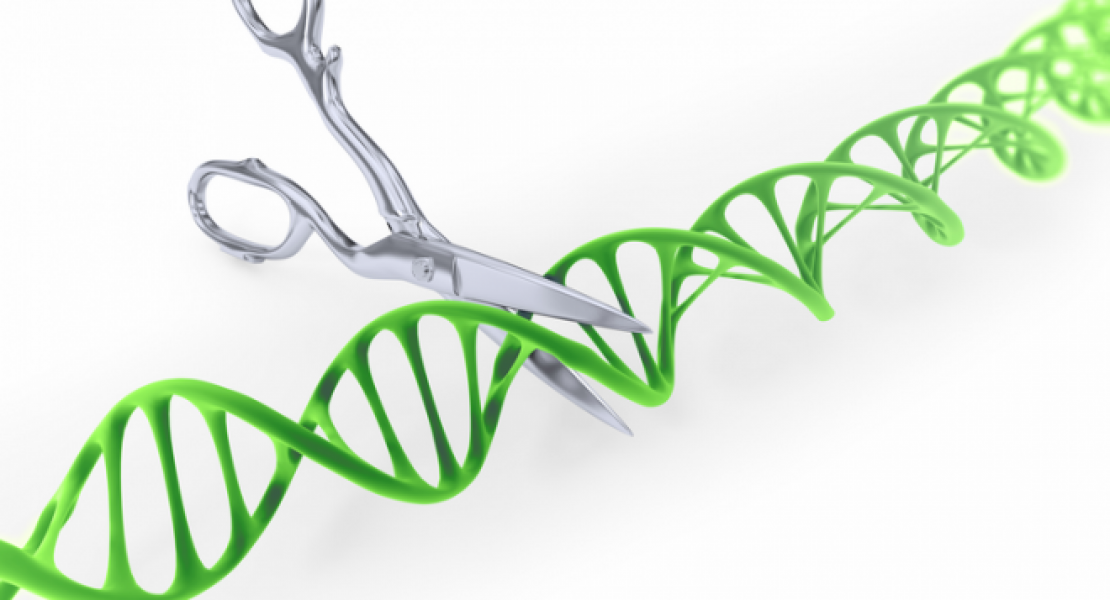
Genome editing of mammalian cells is made easy with CRISPR. Custom KO/KI cell lines can be generated rapidly, helping to speed up the functional analysis of favorite genes.
Seagrasses are the only angiosperms or ‘flowering plants’ that have ever colonized the sea. In doing so, they became the bedrock for one of our planet’s most productive coastal ecosystems.
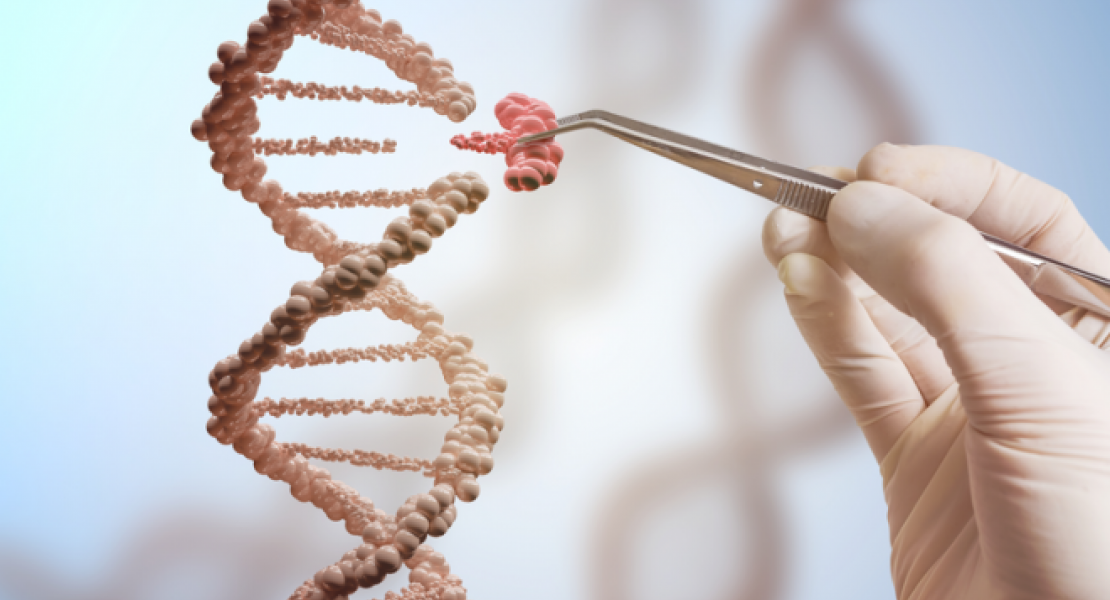
The rapid adoption of CRISPR/Cas technology has turned this into a pressing issue. Many different types of genome edited organisms are currently starting to pile up in laboratories all over Europe.

Why is plant-based production of medicines such an important milestone?

Towards a bio-based economy

Since the ruling of the Court of Justice of the EU in 2018, which placed genome-edited crops under the