
Feed

Lignine-onderzoek voor een duurzamere samenleving
Planten gebruiken zonlicht en water om CO2 uit de atmosfeer op te vangen om te kunnen groeien. Deze planten kunnen dan omgezet worden in producten die tegenwoordig gemaakt worden van fossiele grondstoffen zoals aardolie. Terwijl het gebruik van fossiele grondstoffen leidt tot een netto toename van CO2 in de atmosfeer (bijvoorbeeld bij verbranding als brandstof), is dit niet het geval bij het gebruik van planten.
Lignin research for a more sustainable society
Plants use sunlight and water to capture CO2 from the atmosphere in order to grow. These plants can then be converted into products that are currently made from fossil raw materials such as petroleum. Whereas the use of fossil resources leads to a net increase in CO2 in the atmosphere (for example, when burned as fuel), this is not the case when using plants.

International schools: welcoming foreign families since 2012
Discovering the international school Ghent was the last push we needed to move to Belgium
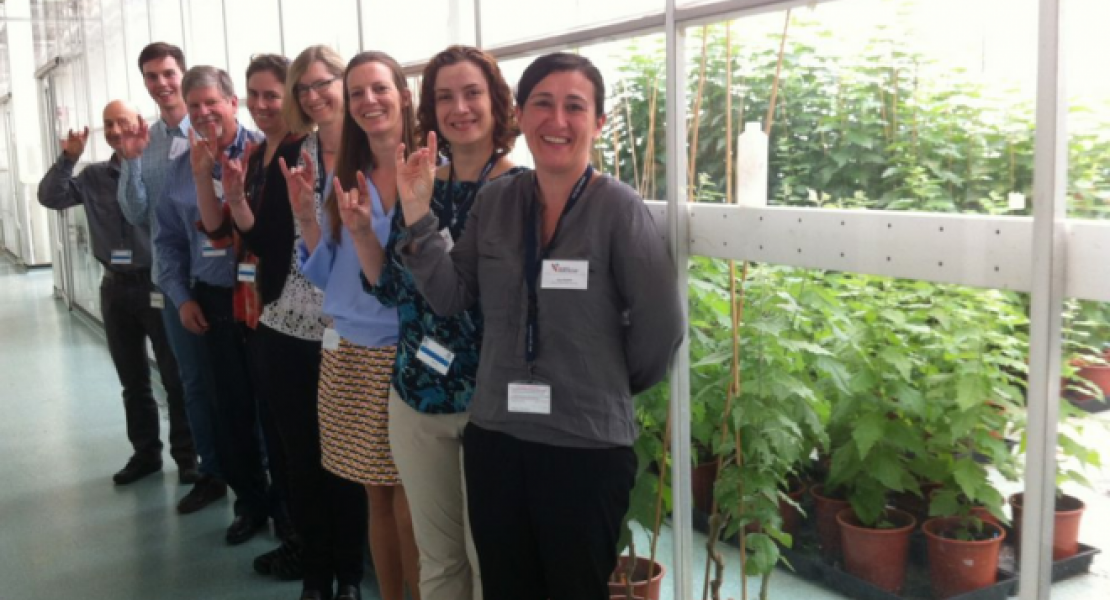
A visit from our American counterparts to deepen our plant science collaboration
A tangible example of such a collaboration model lies in the field of plant phenotyping.
Turning the linguistic tables for lunch learning
One of the initiatives that the committee has considered organizing is an international language exchange during lunch hours.
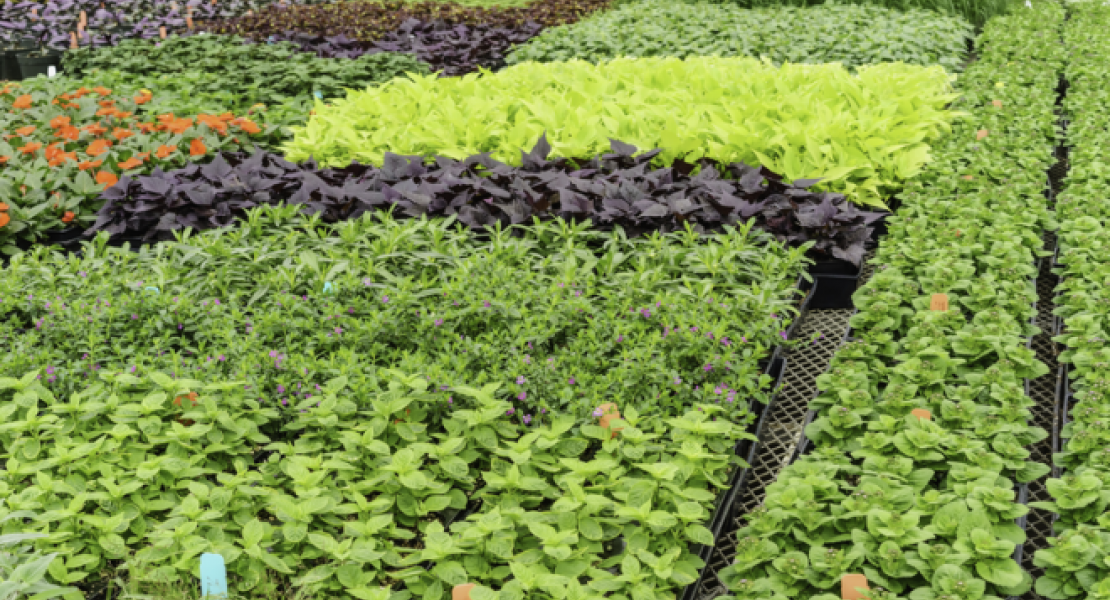
Innovative plant breeding methods can help tackle important societal challenges, but are hampered by regulatory uncertainty
Plant breeders can only use innovative breeding tools to the benefit of society when there is clarity about the regulatory environment that applies to them.