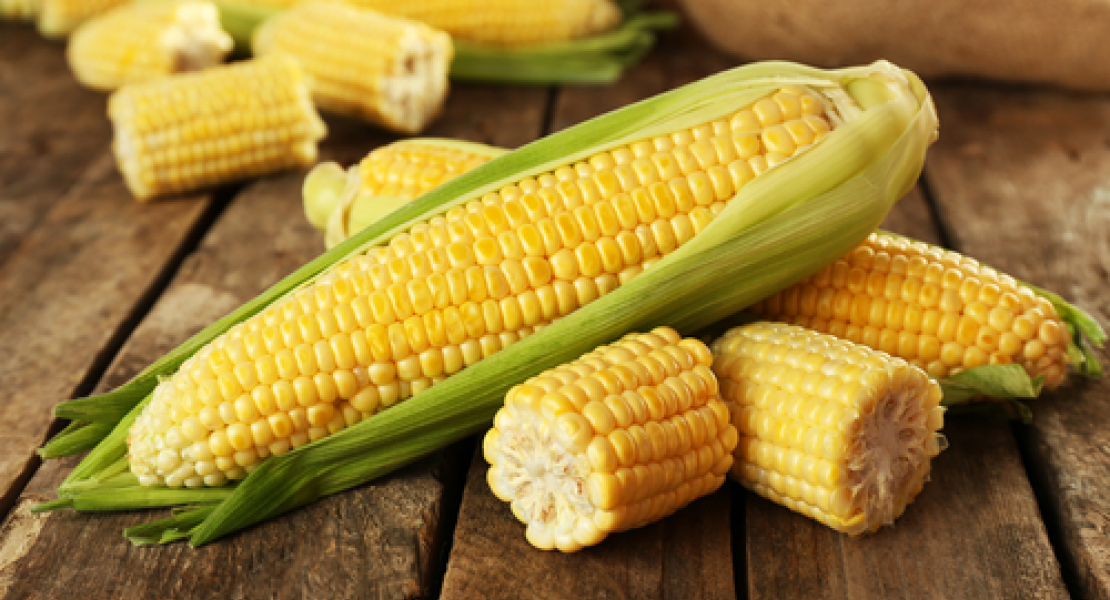
A-maize-ing new molecular discovery for agronomy
Maize is the most cultivated crop on the planet, and is used as food for humans and animals as well as a source of biofuel.

Maize is the most cultivated crop on the planet, and is used as food for humans and animals as well as a source of biofuel.
Across the world, we’re all in it together – and we’re all experiencing firsthand that data management is anything but a walk in the park. As a result, the 2014 creation of a data infrastructure at the supranational level was a logical next step.
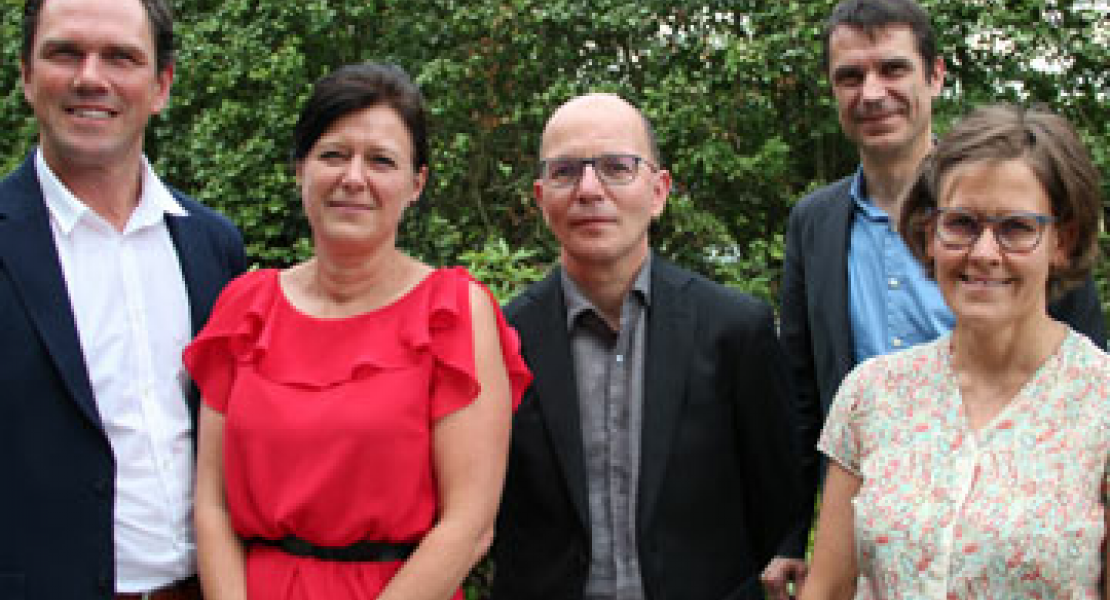
The VIB spin-off pulls together resources and expertise in plant-bacteria interactions of the lab of prof. Sofie Goormachtig (VIB-Ghent University) and microbiome know-how contributed by the group of prof. Jeroen Raes (VIB-KU Leuven).
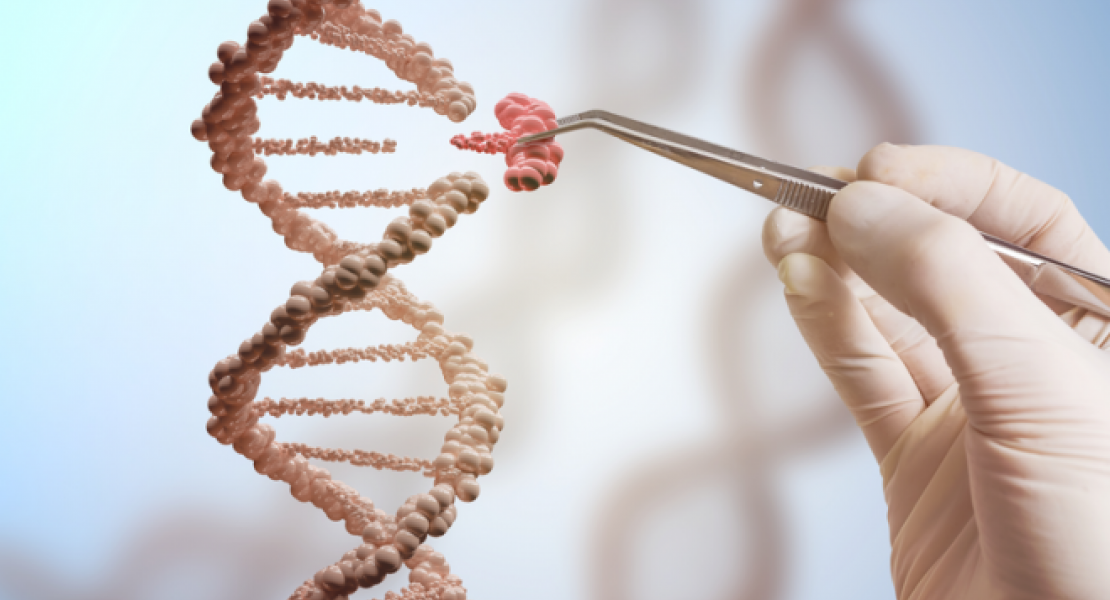
Muse bio: accelerating CRISPR
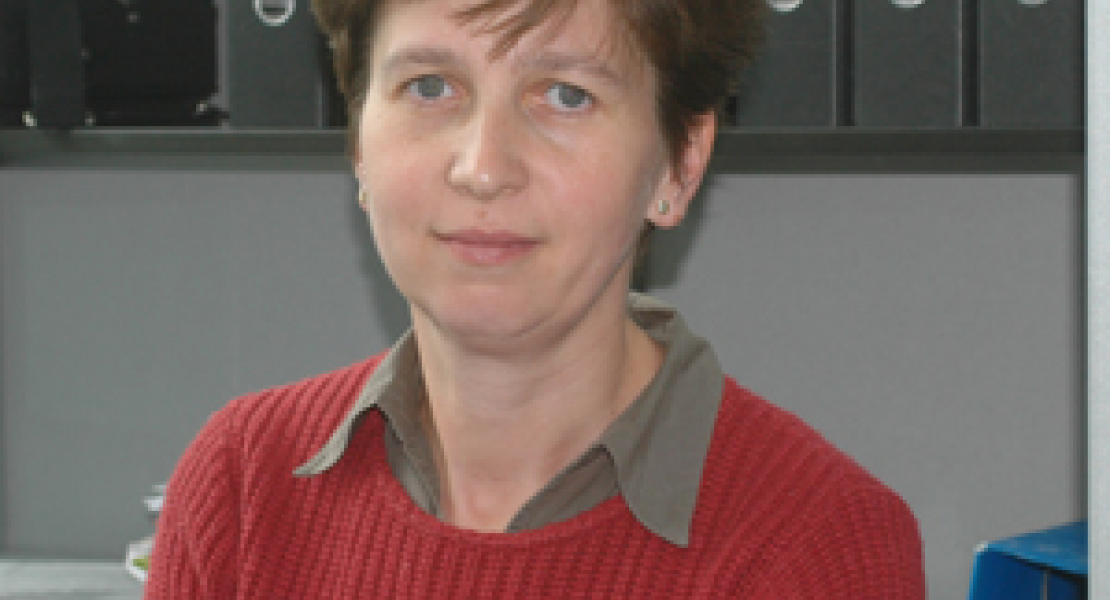
How difficult has it been as a married couple to develop independent careers?
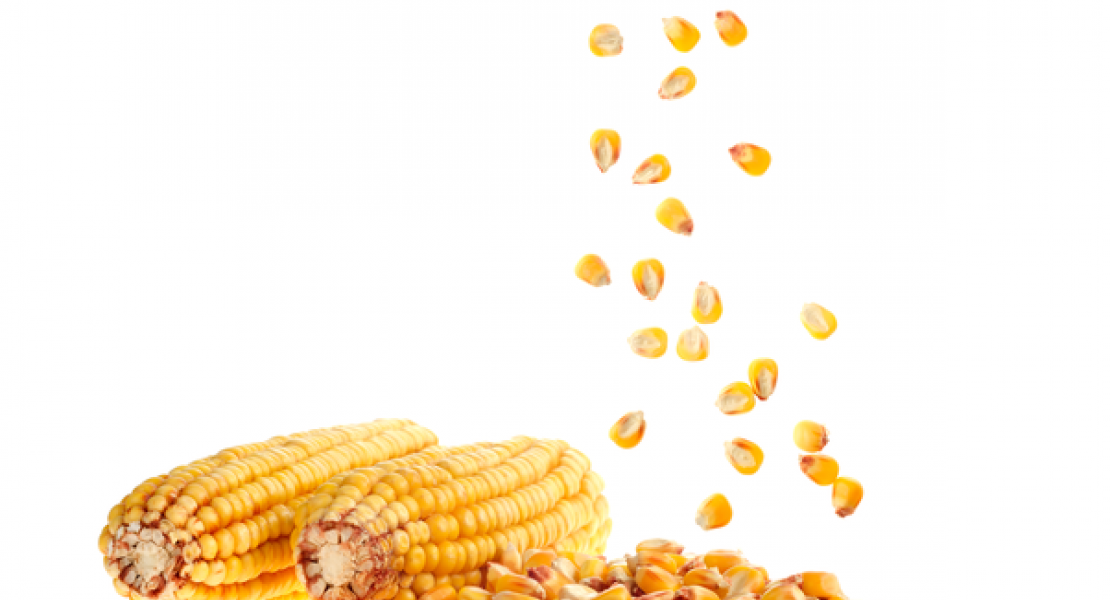
Nowadays, there is no crop in the world cultivated more than maize. Worldwide, 180 million hectares of maize are planted every year with a production of approximately 1 billion tons a year.
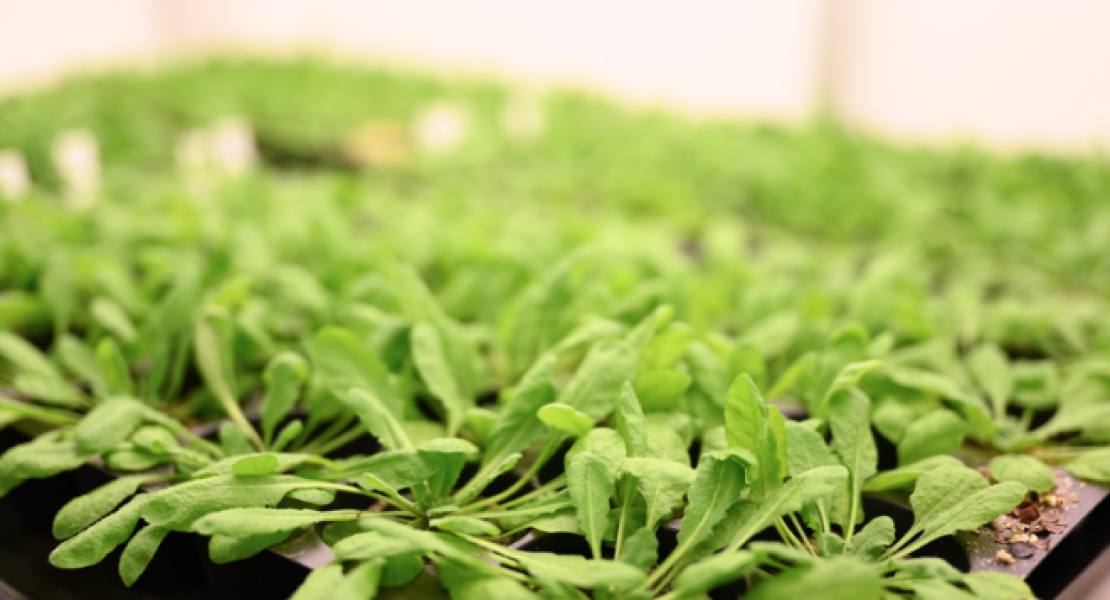
Investigating the allure of roots

ELIXIR Belgium lead Frederik Coppens (VIB): “With the launch of ELIXIR Belgium, we aim to inform researchers, policy makers and funders about this research infrastructure and how it can assist them in their research.
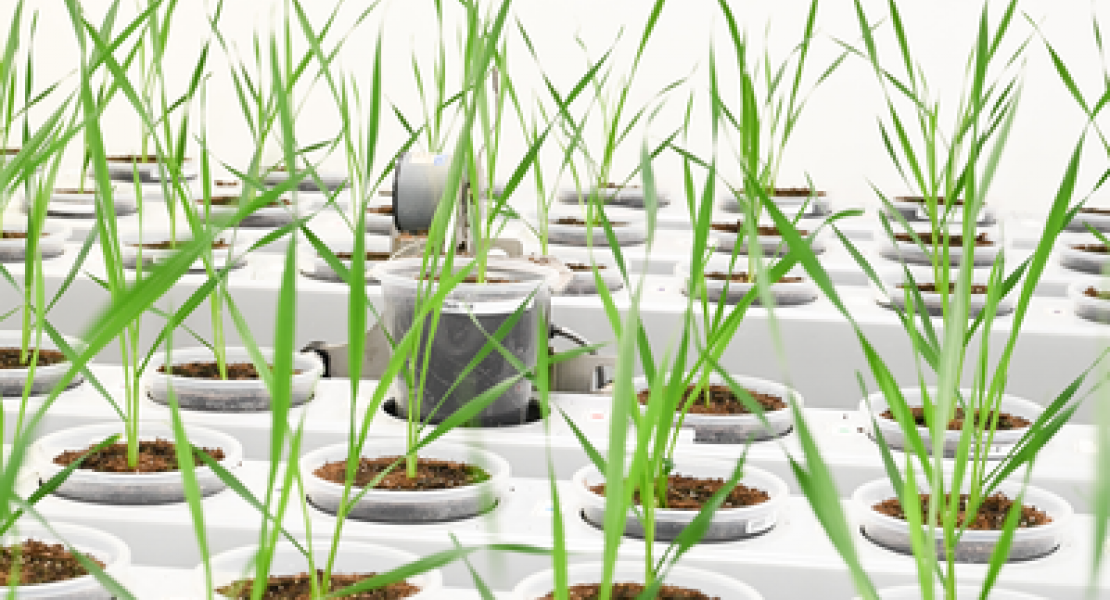
Wood is part of our everyday life, whether as construction materials, furniture, paper and other biomaterials and as energy source. Demand for wood products is likely to continue to increase globally.
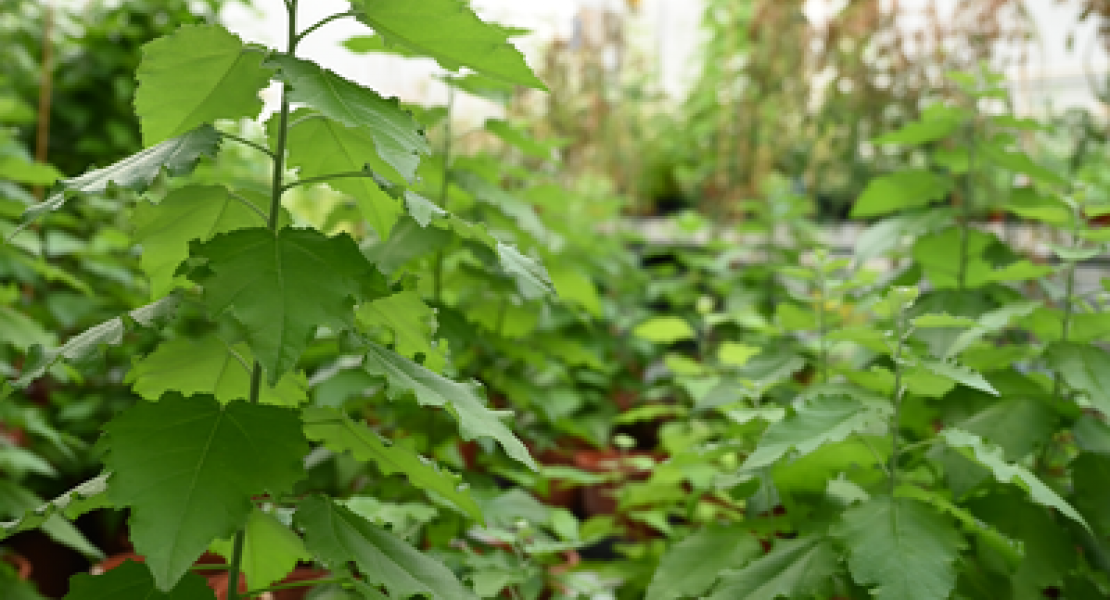
VIB research into these fundamental regulatory proteins is highlighted in this Special Issue of JXB, which was edited by Barbara De Coninck (VIB-KU Leuven) and Ive De Smet (VIB-UGent).